2026年1月13日
修善寺温泉は、真言宗の開祖・弘法大師によって開湯されたという伝説をもつ湯である。桂川で、年老いた父の患部に川水をかける子どもの姿を見かけ、不憫に思った弘法大師が、手にしていた法具・独鈷で岩を砕いたところ、熱湯が湧き出たのだという。
温泉名の由来ともなったこの地の寺院、修禅寺は、もとは弘法大師が開創した真言宗の寺であった。その後、臨済宗の寺としての時代を経て、北条早雲が叔父・隆渓繁紹禅師を迎え、高天神城城主・浅羽弥九郎幸忠がこれに随身し、曹洞宗の寺院として再興されたという経緯を持つ。
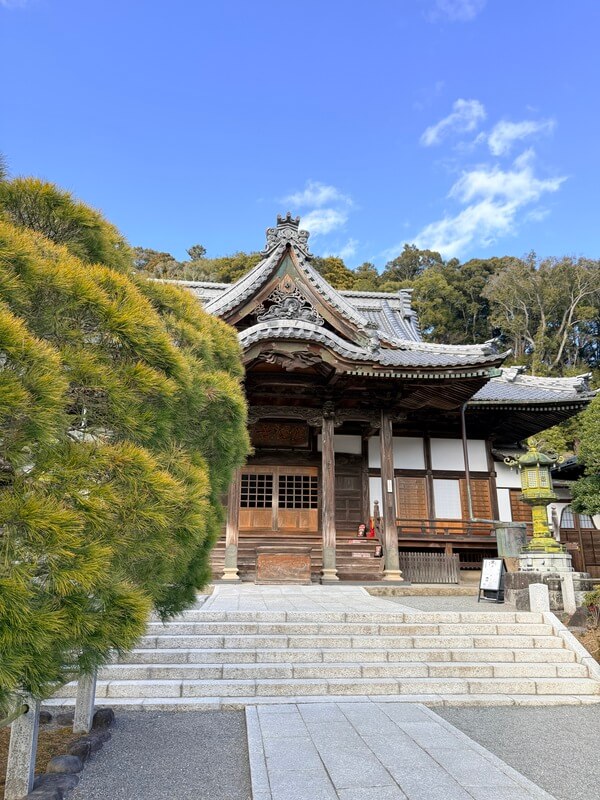
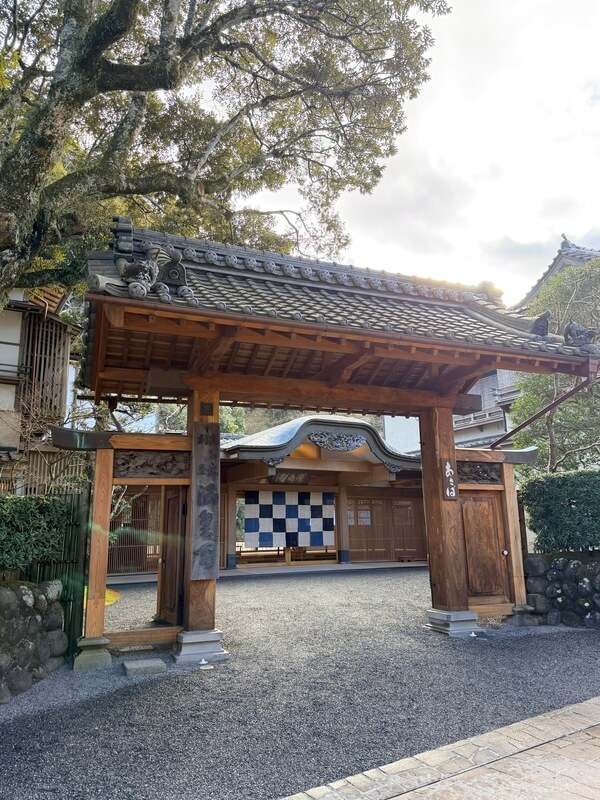
「あさば」の起こりは、ちょうどその再興の頃、1484年。浅羽弥九郎幸忠が門前に開いた宿坊に端を発する。修禅寺からは徒歩五分。参拝を終え、桂川や竹林の小径を横目に歩いていくと、ほどなくして宿の堂々たる門構えが現れる。門の背後、唐破風屋根の下に揺れる暖簾は、伊豆大島在住の染色家・菅原匠の作で、季節ごとに掛け替えられる。
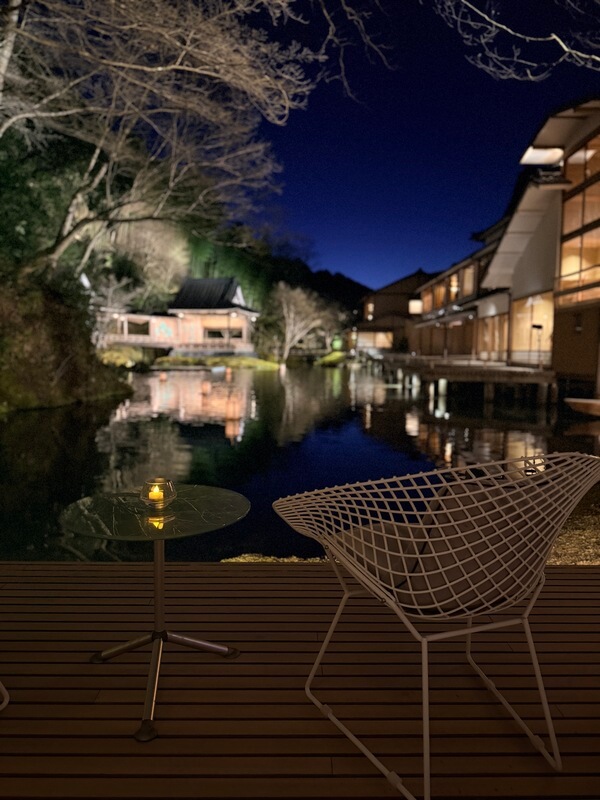
暖簾をくぐると、眼前に広がるのは600坪に及ぶ池と能舞台「月桂殿」。月桂殿は、加賀大聖寺藩第十四代藩主・前田利鬯が東京・深川の富岡八幡宮に寄進したものを、明治後期にこの地へ移築した舞台だという。ここでは「芸術紀行」と銘打ち、日本の伝統芸能の公演が行われている(令和八年は全九回予定)。
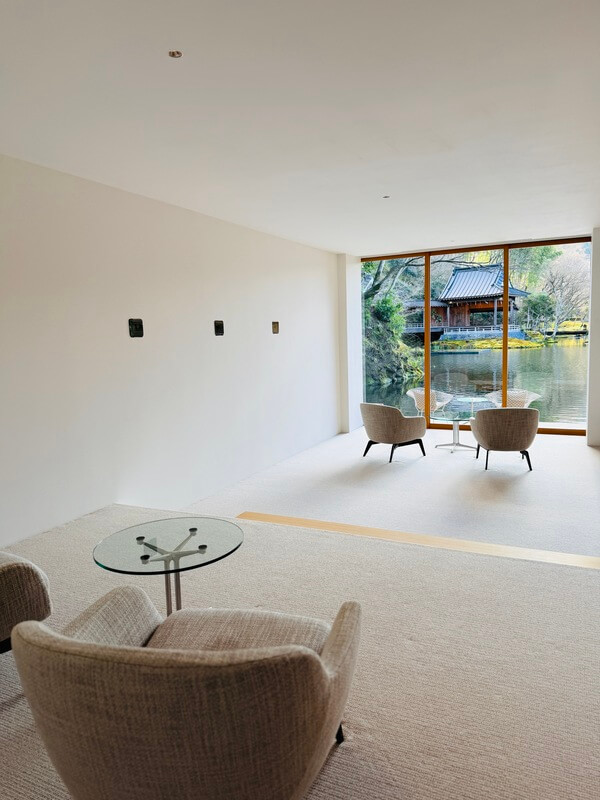
ロビー右手の壁には李禹煥のペインティングが掲げられている。「もの」と「空間」のあるがままの出会いを重んじる李の作風と、曇りなき窓越しに広がる庭の景色とが、静かに響き合う。さらに興味深い仕掛けは、左手のライブラリー兼サロンにある。白壁にはめ込まれた小さなガラス窓越しに、建物の向こう側の岩壁を這う植物を眺めるというインスタレーションだ。
サロンのテラスにはハリー・ベルトイアのダイヤモンドチェアが置かれ、池越しの能舞台と不思議な均衡を保つ。昼はクリスタルの音色のアンビエントミュージックが、夜はジャズが流れるなか、セルフサービスで茶やコーヒーを楽しめる。入口には宮島達男のカウンター、壁にはダニエル・ビュランのストライプ。訪問時、床の間的な空間にはゲルハルト・リヒターの油彩が飾られていた。日本庭園と現代アートとがそれぞれ「本物」であるからこその絶妙なバランスが成立している、唯一無二のくつろぎの空間である。
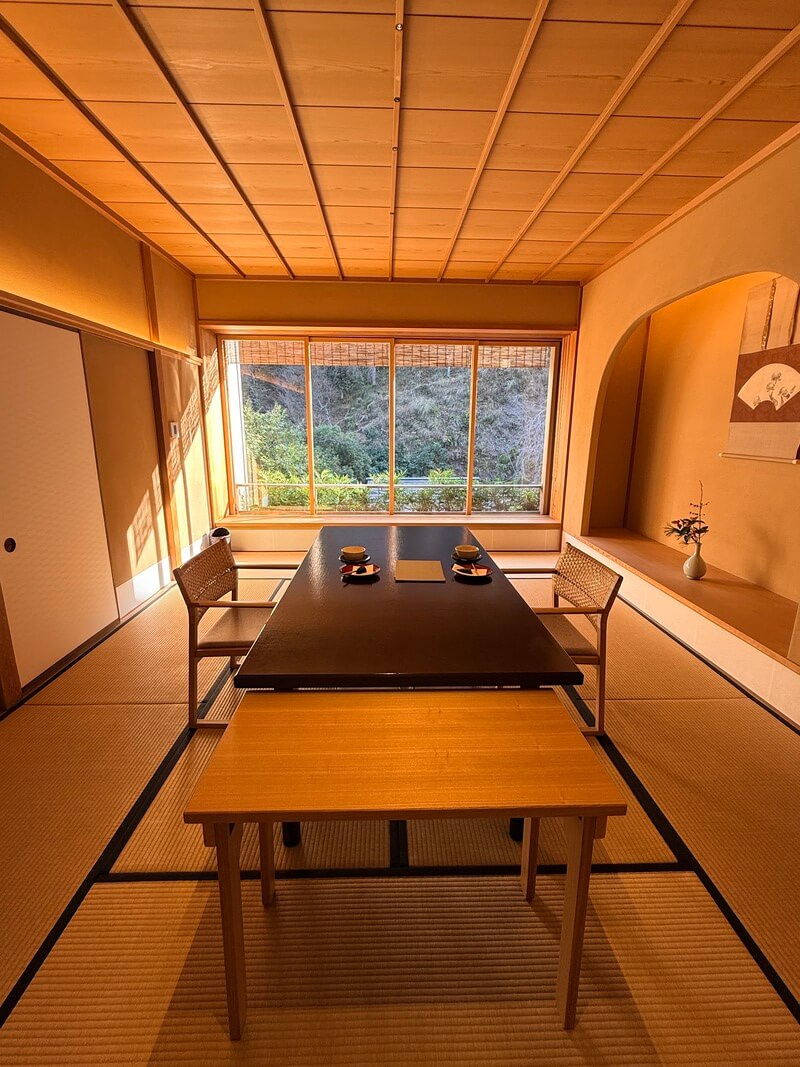
しばらくして客室へ案内される。今回は二階の「満天星」に宿泊した。竹林を望む約80平米の室内は、ダイニングルームと広いベッドルームからなり、座卓や敷布団を好まないゲストにも薦めやすい造りだ。
ダイニングには床の間があり、季節の花と掛軸が飾られている。この日は中村芳中の《雪松図》。大きな窓越しの冬の竹林と呼応する。ベッドルームには窓際のロッキングチェア、廊下側にはバング&オルフセンのスピーカー付きテレビ。オリジナル寝具も含め、くつろぎに必要なものが過不足なく整う。
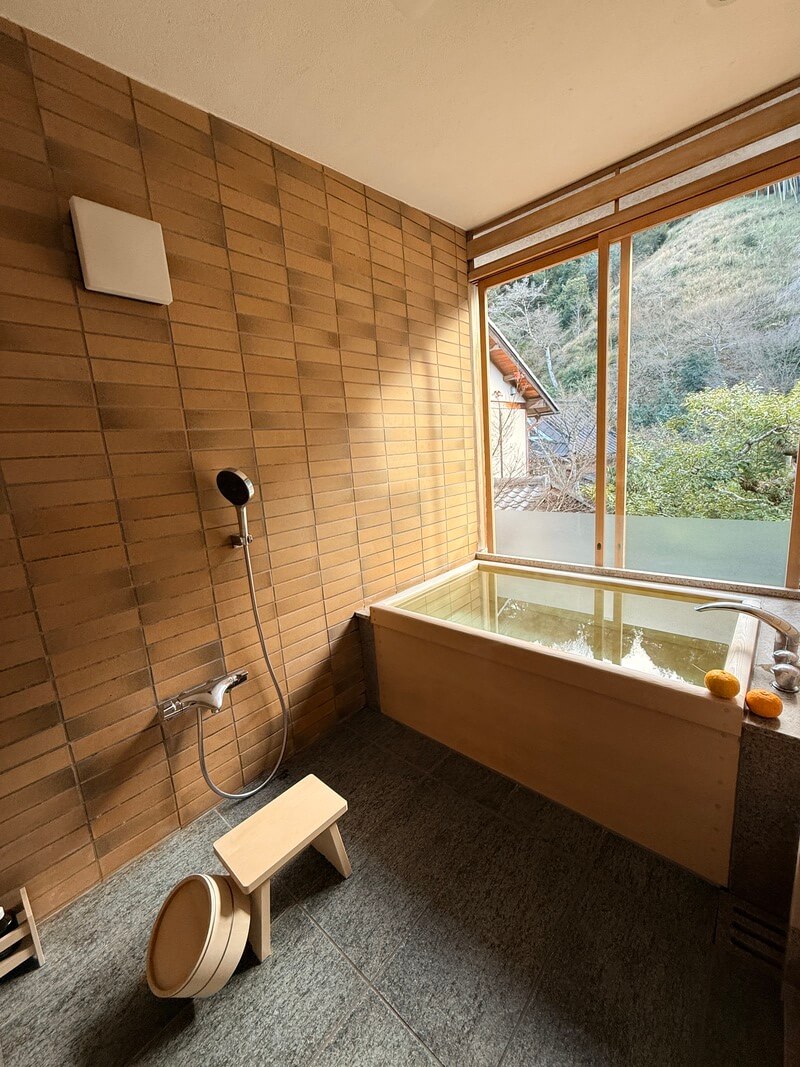
客室風呂は源泉掛け流し。到着時にはすでに高野槙の浴槽に適温の湯が満ちている。十一月末から旬の終わりまでは柚子湯が用意され、この日も縁に二つ、艶やかな柚子が添えられていた。丸々と傷ひとつなく、香り高い。どうせ湯に浮かべるものだからと妥協しない、その姿勢に宿の矜持を見る。
バスアメニティはバンフォード、洗面台にはカネボウSENSAIのスキンケアセットやルレ・エ・シャトー紋章入りのヘアブラシ。ドライヤーは客室がパナソニック、婦人風呂がレプロナイザー3D Plusと、いずれも宿のこだわりを感じる選択である。
大浴場は一階に婦人風呂、殿方風呂、男女入れ替え制の野天風呂、そして貸切風呂が一つ。なかでも野天風呂は、山側に向けて造られたこの宿の真価を感じさせる湯浴み処だ。野趣あふれる岩組みは、独鈷で岩を砕いた弘法大師の伝説を想起させる。竹林の山景色と庭園の苔、その手入れの行き届いた様に、自然と人の協働が生む美が宿る。
野天風呂には洗い場がない。湯に浸かることだけに集中するための空間なのだろう。厚手のバスタオルは保温庫に収められている。ありのままの自然もよいが、人の手によるささやかな配慮が満足度を高めるのだと、一月の寒気の中で温かなタオルに触れながら思う。
「あさば」では、夕食も朝食もともに部屋食である。コロナ禍を経て、特に富裕層の旅行においてプライベート感を求める傾向が強くなる中、部屋食という日本旅館の伝統が再評価されている。また、世界的にラグジュアリー・トラベラーの間で「地産地消」の食事へのニーズが高まっているが、実は日本の旅館では、この地産地消という言葉が生まれる前から、地のものを使った食事が供され続けてきている。
そう考えれば、日本旅館は常に時代の先を行ってきたとも言える。日本旅館の代名詞といってもいい「あさば」に、旅慣れたインバウンド旅行者が熱視線を送るのは必然なのかもしれない。
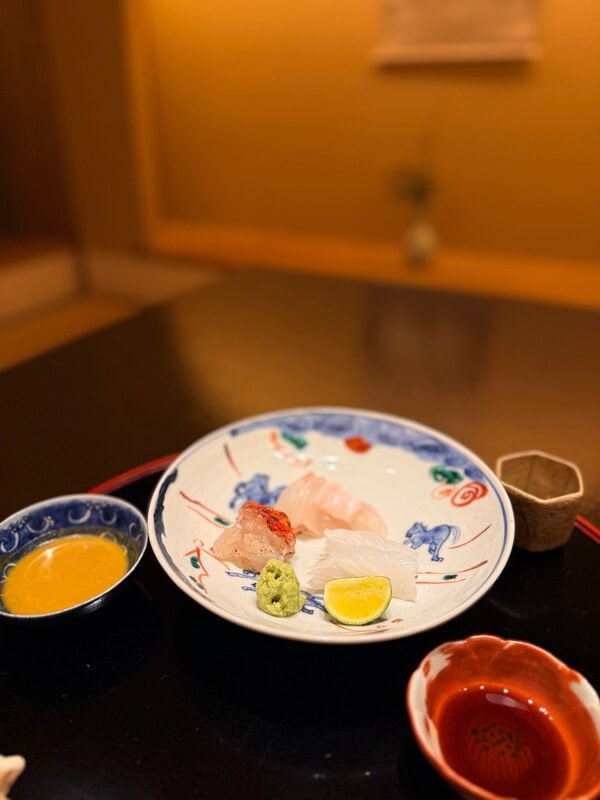
献立は主人・浅羽一秀氏の直筆。宿泊日は一月上旬だったため、九谷の須谷窯による今年の干支・午柄の絵皿が使われるなど、季節感を取り入れた器の数々も美しい。この日の内容では、自家製カラスミと本海老の飯蒸し、素晴らしい火入れの鰆の炭火焼きが白眉だった。実はこの日、ダイニングルームの暖房が入らないという小さなトラブルがあったが、すぐに何枚ものひざ掛けが持ち込まれ、香の物が出る頃にはどこからかヒーターが運ばれ――と、できる限りのことをしてくださる宿の心遣いが嬉しかった。
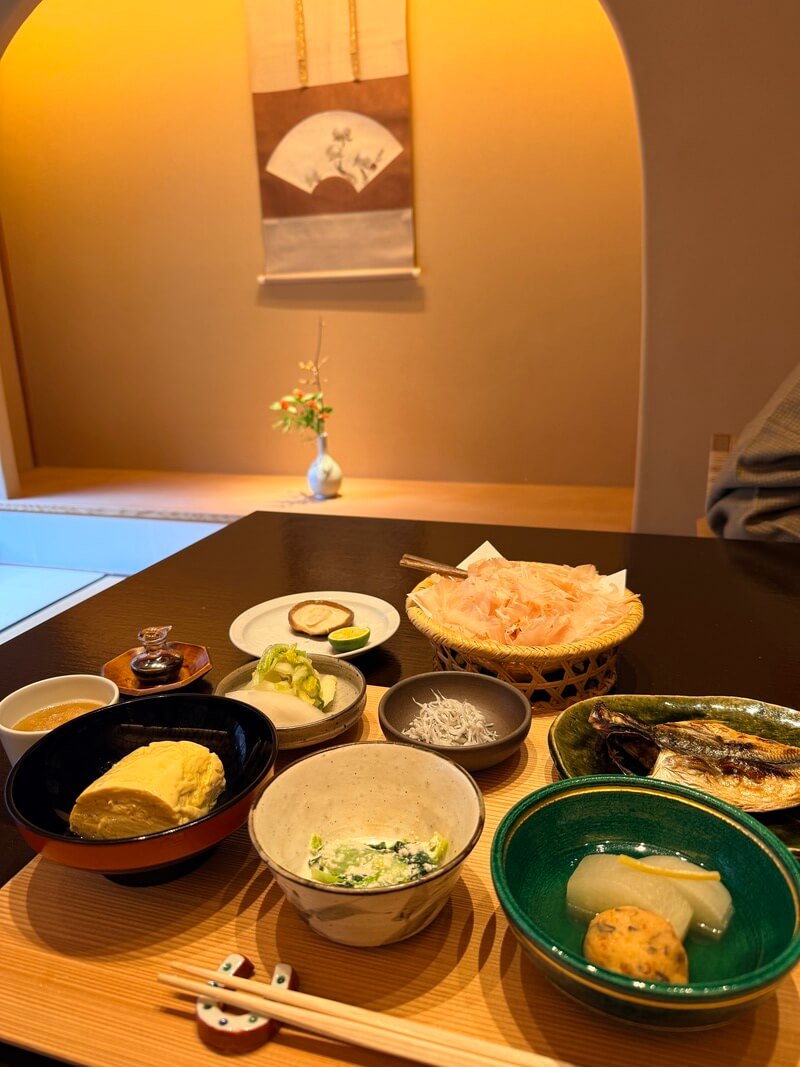
朝食は、焼津産の極薄削り鰹節と天城の山葵をのせた艶やかなご飯、冬限定の椎茸の炭火焼き。そして思いがけず夢中で食べた、つるりとした歯ざわりのだし巻き卵。南向きの部屋に差し込む光のなか、朝食後に客室風呂へ浸かる時間もまた贅沢だ。
思えば、江戸時代までの我が国の庶民の移動は原則として制限され、旅の目的は「寺社詣で」と「湯治」に限られていた。修善寺温泉も江戸時代中期から開発が進み、江戸時代後期に製作された『諸国温泉功能鑑』には「豆州朱善寺湯」として東之方前頭に格付けされているということである。
ここ「あさば」も、昔は修禅寺の宿坊として、その後は参拝も兼ねた湯治先、命の洗濯の場として、旅する人々の熱い思いを受け止め続けてきたのだろう。その思いに応え続けてきた結果が、建築や調度品から、庭の苔や柚子湯の柚子まで、価値あるものへのこだわりに結実している。
突出した何かではなく、敷地内のあらゆるもののクオリティが均質に高いからこそ、訪れる者は安心して身を預けることができる。「あさば」を特別にしているのは、なにか一つではない。そこにある、すべてなのである。
あさばへのアクセス
電車で
・JR東京駅-特急踊り子号で約120分終点修善寺駅下車-修善寺駅よりタクシーで約7分
・JR東京駅-新幹線で約45分三島駅下車-私鉄伊豆箱根鉄道で約35分終点修善寺駅下車-タクシーで約7分
車で
・東名高速沼津ICより、国道136号線から伊豆中央道の修善寺まで約50分(東京〜沼津IC 約60分)
Shuzenji Onsen is said to have been discovered by Kobo Daishi, the founder of Shingon Buddhism. According to legend, he once saw a son pouring river water over his elderly father’s wounded limb along the banks of the Katsura River. Moved by compassion, Kobo Daishi struck a rock with the ritual vajra he carried, and hot spring water began to flow.
The temple that gave the hot spring its name, Shuzenji, was originally founded by Kobo Daishi as a Shingon temple. Over time it became associated with the Rinzai sect, and later, under Hojo Soun, it was revived as a Sotoshu temple when the priest Ryukei Hanjo was invited there. Asaba Yakuro Yukitada, lord of Takatenjin Castle, accompanied him and played a role in its restoration.
It was during this period of revival, in 1484, that Asaba was founded. Asaba Yakuro Yukitada opened a lodging for temple visitors at the temple gate. The ryokan stands just a five-minute walk from Shuzenji. After visiting the temple, I strolled past the Katsura River and along a path lined with bamboo before the ryokan’s stately gate comes into view. Beneath the curved karahafu roof, a noren curtain—created by Izu Oshima-based textile artist Takumi Sugawara—hangs gently and is changed with the seasons.
Passing through the entrance, guests are met by a 1,980 square meters pond and the Noh stage known as Gekkeiden. The stage was originally donated in Tokyo by Maeda Toshinobu, the fourteenth lord of the Daishoji domain, and relocated here in the late Meiji period. Today, performances of traditional Japanese arts are held here under the title “Geijutsu Kiko.”
On the right wall of the lobby hangs a painting by Lee Ufan. His work, which explores the relationship between object and space, quietly resonates with the garden view beyond the clear windows. On the left, the library and salon contain a subtle installation: through a small glass aperture set into a white wall, one glimpses plants climbing the rock face behind the building.
On the terrace, a Diamond Chair by Harry Bertoia sits in quiet balance with the Noh stage across the pond. Ambient music plays during the day; jazz fills the space at night. Tea and coffee are available on a self-service basis. At the library entrance stands a counter by Tatsuo Miyajima, while stripes by Daniel Buren adorn a wall. During this visit, an oil painting by Gerhard Richter was displayed in a tokonoma-like alcove. Because both the Japanese garden and the contemporary artworks are authentic, a rare equilibrium is achieved—an atmosphere found nowhere else.
After some time, I was shown to my room on the second floor, named Dodan. At approximately 80 square meters, it overlooks a bamboo grove and consists of a dining room and a spacious bedroom—an appealing layout for guests who prefer beds and chairs to tatami seating.
In the dining room, a tokonoma displays seasonal flowers and a hanging scroll. On this day, it was Snowy Pines by Nakamura Hochu, echoing the winter bamboo grove visible through the large window. A rocking chair sits by the bedroom window, and a Bang & Olufsen television and speaker system are placed along the corridor wall. From the original bedding to the furnishings, everything necessary for comfort is thoughtfully provided.
The in-room bath is supplied directly from the hot spring source. Upon arrival, the cypress tub was already filled to the perfect temperature. From late November through the end of the season, yuzu baths are offered, and two glossy, fragrant yuzu floated at the edge of the tub. Perfectly round and unblemished, they reflected the ryokan’s refusal to compromise, even on what might seem a small detail.
Bath amenities are by Bamford. The vanity includes a Kanebo SENSAI skincare set and a Relais & Châteaux–branded hairbrush. Hair dryers are Panasonic in the guest rooms and Repronizer 3D Plus in the women’s bath.
The public baths are located on the first floor: separate baths for men and women, an open-air bath that alternates by time, and one private bath. The open-air bath, set against the mountainside, captures the essence of the property. Its rugged stonework recalls the legend of Kobo Daishi striking rock with his vajra. Bamboo-covered hills and meticulously tended moss suggest a harmony between nature and human care.
There are no washing stations in the open-air bath. It is a place devoted solely to soaking. Thick bath towels are kept warm in a cabinet nearby. In the chill of January, stepping out into the cold air and wrapping oneself in a heated towel makes one realize that subtle human consideration often deepens the experience of nature.
At Asaba, both dinner and breakfast are served in the guest room. In recent years, particularly among affluent travelers, privacy has become increasingly valued, and the traditional in-room dining of Japanese ryokan has gained renewed appreciation. Likewise, while “farm-to-table” has become a global luxury trend, Japanese ryokans have long practiced this philosophy without naming it as such.
In that sense, the Japanese ryokan has always been quietly ahead of its time. It is perhaps inevitable that seasoned international travelers are drawn to Asaba, often regarded as the very embodiment of the ryokan tradition.
The menu is handwritten by the proprietor, Kazuhide Asaba. In early January, dishes were presented on Kutani porcelain decorated with this year’s zodiac motif. Highlights included house-made bottarga with rice steamed with shrimp, and perfectly grilled Spanish mackerel cooked over charcoal. A minor issue arose that evening when the dining room heating failed, yet blankets were promptly brought, and a heater had appeared. The attentiveness left a lasting impression.
Breakfast featured glossy rice topped with ultra-thin shaved bonito from Yaizu and fresh wasabi from Amagi, winter-only charcoal-grilled shiitake mushrooms, and a delicately textured rolled omelet that proved unexpectedly addictive. In the southern light streaming through the windows, soaking once more in the in-room bath after breakfast felt like quiet indulgence.
Until the Edo period, travel for ordinary people in Japan was largely restricted, and journeys were typically undertaken for temple visits or therapeutic bathing. Shuzenji Onsen developed steadily from the mid-Edo period and was even ranked in the late Edo hot spring compendium Shokoku Onsen Kōnō Kagami.
Asaba, once a temple lodging and later a retreat for both worship and healing, has long received the earnest hopes of travelers. The ryokan’s dedication—to architecture, furnishings, garden moss, even to the yuzu in the bath—reflects centuries of answering those hopes.
What makes Asaba special is not any single dramatic feature. Rather, it is the consistently high quality of everything within its grounds. Because each element is quietly refined, guests can surrender themselves completely to the experience. It is not one thing that defines Asaba. It is all of it.
Access to Asaba
By Train
• From JR Tokyo Station: Limited Express Odoriko to Shuzenji Station (approx. 120 minutes), then 7 minutes by taxi.
• From JR Tokyo Station: Shinkansen to Mishima Station (approx. 45 minutes), transfer to Izu-Hakone Railway to Shuzenji Station (approx. 35 minutes), then 7 minutes by taxi.
By Car
• About 50 minutes from Numazu IC on the Tomei Expressway via Route 136 and Izu Chuo Road (Tokyo to Numazu IC approx. 60 minutes).