2026年2月20日
2026年4月、ローズウッド宮古島にて、日本料理レストラン「苧麻」がフルオープンを迎える。2025年3月1日に開業した同ホテルは、開業から一年を待たずして二つのミシュランキーを獲得し、世界のラグジュアリー・トラベラーの注目を集めてきた。
宮古島北部、大浦湾に面した岬に広がる敷地は、9,500平米超。そこに点在するのは、全55棟のヴィラだ。インフィニティプール、スパと温浴施設、フィットネスジム、ヨガスタジオ、キッズクラブといった付帯施設に加え、メインダイニング「NAGI」、シーフードレストラン「MAAS」、プールサイドバー「YUKUU」という三つのダイニングは、すでに稼働している。
そこへ今回、寿司、鉄板焼き、天ぷら、焼き鳥と、日本料理の幅広い表現を担う新たなダイニングが加わる。すでに多くの旅人のバケットリストに名を連ねるこのホテルの魅力は、さらに奥行きを増すことになるだろう。
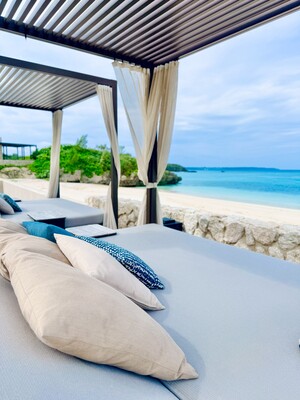
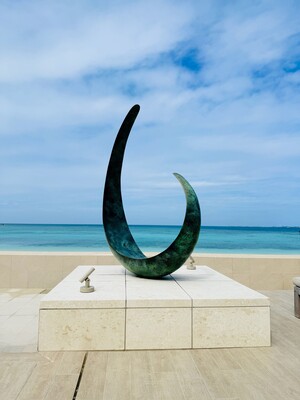
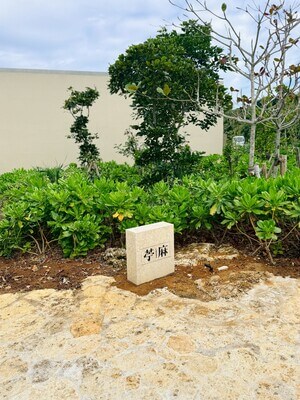
敷地内をカートで移動していると、クリーム色の琉球石灰岩で築かれた塀に、緑鮮やかな植栽が映える光景が目に入る。植えられている木々の多くは、まだ若い。かつて採石場であったこの土地に繁茂していた外来種を取り除き、沖縄の在来種へと植え替えたのだという。
その土地の岩石や植物に囲まれ、ただ太陽を浴びているだけで、身体の感覚が静かに現地に同調していくのを感じる。土地の文化や歴史、感覚を重んじるローズウッドのフィロソフィー、「センス・オブ・プレイス®」を、理屈ではなくまさに「体感」する瞬間だ。
時とともにやがて表情を変えていく石灰岩と、成長を続ける在来植物の植生。この土地とともに生き、土地とともに成熟していく――そんなホテルの覚悟が、風景そのものから伝わってくる。
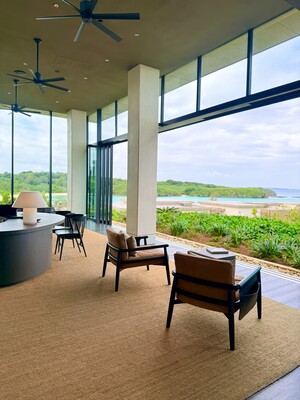
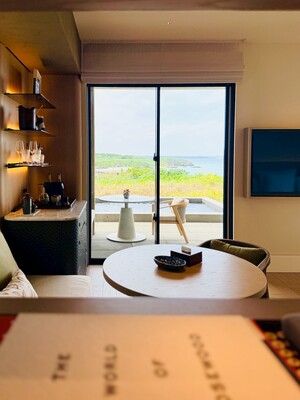
客室(ヴィラ)は、すべてオーシャンビューで、なおかつプライベートプール付き。インテリアはモダンでありながら、ゆったり身を委ねたくなる穏やかさを湛えている。オランダのスタジオ・ピート・ブーンによる自然と調和した空間設計のなかに、宮古上布の文様をモチーフにしたアートや、壷屋焼の茶器といった、この土地ならではのディテールがさりげなく織り込まれている。
55棟のうち3棟は、より広さを備えたハウス・タイプだ。このうち150平米のハウスは、ゆとりあるリビングとキッチン、二つのベッドルーム、12メートルのプール、バーベキューコンロを備え、多世代での滞在にも無理なく対応する。
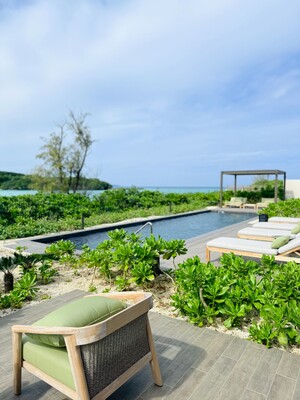
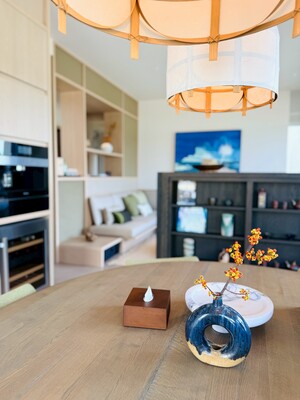
敷地内のビーチでは、シーズンが始まればシュノーケリングやシーカヤックなどのアクティビティも楽しめる。ウェルネス、ローカルネス、プライベート性、マルチジェネレーション対応――現代のラグジュアリー・トラベルに求められる要素を、過不足なく備えている点は、さすがと言うほかない。
そして、スタッフのホスピタリティについても触れておきたい。アライバルハウスでの案内、カートの運転、NAGIでのテーブルサービス。そのひとつひとつに、笑顔とともに「ゲストのために何かできることはないか」と考えて動く姿勢が感じられた。部門の垣根を越えて協力し、ゲストに“魔法のような瞬間”を届ける――ローズウッドが掲げる「リレーションシップ・ホスピタリティ」の精神が、日常の所作として息づいている。
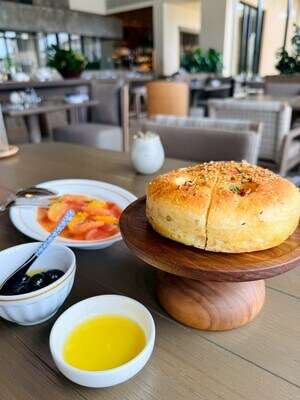
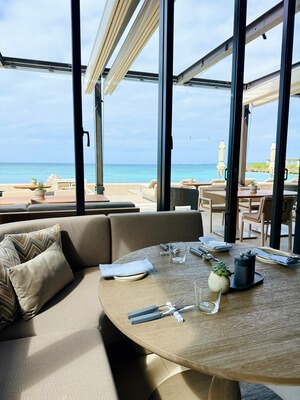
ところで、冒頭に触れたダイニング名でもある「苧麻」とは、宮古上布(宮古島で織られる最高級の麻布)の原料となる植物の名である。宮古上布用には特別な栽培が求められるものの、苧麻自体は沖縄に自生し、約40日で生育する身近な植物だという。
しかし、その植物が宮古上布へと姿を変えるまでには、気の遠くなるような工程が待っている。まず、アワビの貝殻を用いて、不要な部分をそぎ落とす。残った繊維を、爪や指先で裂き、ごく細い糸へと績む。さらに撚りをかける。一人で一反分、すなわち着物一着分の糸を績むのに、三カ月以上を要する。
その後も、染めの準備、染色、仮筬通し、織りの準備、機にかけての製織、砧打ち、と工程は続く。いずれも熟練の職人による分業と手仕事の積み重ねが不可欠であり、そのため宮古上布は、年間にわずか二十反ほどしか織られないのだという。
ローズウッド宮古島が目指す姿も、どこかこの工程に重なって見える。客室を担うスタッフ、シェフやバーテンダー、植栽や建物を守るメンテナンスチーム、セラピスト――それぞれの「職人」が持ち場を全うし、一つのデスティネーションを織り上げていく。
トンボの羽のように軽やかでありながら、驚くほどの強さを秘めた宮古上布。その布のように、人と人の連携、土地との共鳴のなかで、しなやかに、しかし確かに績まれ、織り上げられていくであろうラグジュアリー・リゾートのこれからに、ますます期待したい。
ローズウッド宮古島へのアクセス
宮古空港から車で約20分
下地島空港から車で約30分
In April 2026, the Japanese restaurant Choma will fully open at Rosewood Miyakojima. Since its debut on March 1, 2025, the hotel has already earned two Michelin Keys within its first year—an early recognition that has drawn the attention of luxury travelers around the world.
Located on a peninsula overlooking O-ura Bay in northern Miyako Island, the resort spans more than 9,500 square meters. Scattered across the landscape are 55 private villas. Alongside facilities such as an infinity pool, spa and thermal baths, fitness center, yoga studio, and kids’ club, three dining venues are already in operation: the main restaurant NAGI, the seafood restaurant MAAS, and the poolside bar YUKUU.
With the opening of Choma, the culinary offering will expand further to include sushi, teppanyaki, tempura, and yakitori—embracing the breadth of Japanese cuisine. For a hotel that already occupies a place on many travelers’ bucket lists, this addition will only deepen its appeal.
As guests move through the grounds by cart, they pass limestone walls built from creamy Ryukyu stone, softened by vivid green plantings. Many of the trees are still young. This land was once a quarry, and invasive species that had taken root here were carefully removed and replaced with native Okinawan plants.
Surrounded by the island’s stone and vegetation, simply standing in the sunlight brings a quiet shift in awareness. One begins to feel attuned to the rhythms of the place. This is Rosewood’s philosophy of Sense of Place®, experienced not as a concept, but as a physical sensation.
Over time, the limestone will weather and deepen in character, and the native plants will continue to grow. The resort is not imposed upon the land—it is intended to mature alongside it. That quiet commitment is already visible in the landscape.
Every guest room is a villa, and each offers both ocean views and a private pool. The interiors are modern yet deeply calming—spaces designed not to impress, but to invite ease. Created by the Dutch design firm Studio Piet Boon, the architecture blends naturally with its surroundings, while subtle details reference local culture: artworks inspired by Miyako jofu textiles and Tsuboya ceramics are integrated seamlessly into the space.
Three of the 55 villas are larger house-style residences. One of them, a 150-square-meter house includes an expansive living room, kitchen, two bedrooms, a 12-meter pool, and a barbecue terrace—comfortably accommodating multi-generational stays.
The beach within the resort grounds offers snorkeling and sea kayaking when the season begins. Wellness, local authenticity, privacy, and multi-generational flexibility—every element expected of contemporary luxury travel is present here.
Equally notable is the hospitality of the staff. From the welcome at the Arrival House to cart transfers and service at NAGI, each interaction reflects a quiet attentiveness—a willingness to anticipate guests’ needs without intrusion. Departments work together seamlessly to create what Rosewood describes as “relationship hospitality,” delivering moments that feel effortless, yet deeply considered.
The name of the new restaurant, Choma, refers to the ramie plant—the raw material used to produce Miyako jofu, the island’s finest traditional textile. Although ramie grows naturally in Okinawa and reaches maturity in just forty days, transforming it into Miyako jofu requires extraordinary labor.
Unnecessary fibers are first scraped away using abalone shells. The remaining strands are split by hand into impossibly fine threads, which are then twisted and spun. It takes more than three months for a single artisan to produce enough thread for one bolt of fabric—enough for a single kimono.
The process continues with preparation for dyeing, dyeing itself, threading the loom, weaving, and finishing. Each stage demands the skill of specialized craftspeople. As a result, only about twenty bolts of Miyako jofu are produced each year.
In many ways, the vision of Rosewood Miyakojima mirrors this process. Guest relations teams, chefs and bartenders, maintenance teams who preserve the landscape and architecture, and therapists in the spa—each contributes their craft. Together, their efforts weave something larger than any individual role: a destination.
Miyako jofu is said to be as light as a dragonfly’s wing, yet remarkably strong. Like that fabric, this resort is being shaped through connection—between people, and between the resort and the land itself. Slowly, deliberately, it is being spun and woven into something enduring. The future of this quietly evolving luxury destination promises to be as compelling as its present.
Access to Rosewood Miyakojima
Approximately 20 minutes by car from Miyako Airport
Approximately 30 minutes by car from Shimojishima Airport