2026年8月3日
ぎゆつくぎゆつくぎゆつくぎゆつく
この不思議な響きは、詩人であり童話作家でもあった宮沢賢治が、長編詩『小岩井農場』の中に書きとめた鳥の声を表す擬音である。リアルでありながら、どこか幻想的でもある。
都市の生活に慣れた私たちには、もはや聞き分けることが難しくなった鳥や虫の声。その幾重にも重なる声に耳を澄ませながら小岩井農場を進んでいくと、やがてアカマツの丸太が美しく立ち並ぶレセプション&ラウンジ棟のエントランスが姿を現す。
2026年4月、宮沢賢治が愛したこの農場のただなかに、「Azuma Farm Koiwai」は開業した。
世界的なホテリエ、エイドリアン・ゼッカが、日本で長年育ててきた旅館ブランド「Azumi」の思想をさらに発展させ、JR東日本とともに立ち上げた新ブランドが「AZUMA FARM」である。ここ小岩井では、「A Down to Earth Farm Stay」をコンセプトに、約8ヘクタールの敷地の中へ24棟のヴィラ、レストラン、ラウンジ、プライベートサウナなどを点在させている。
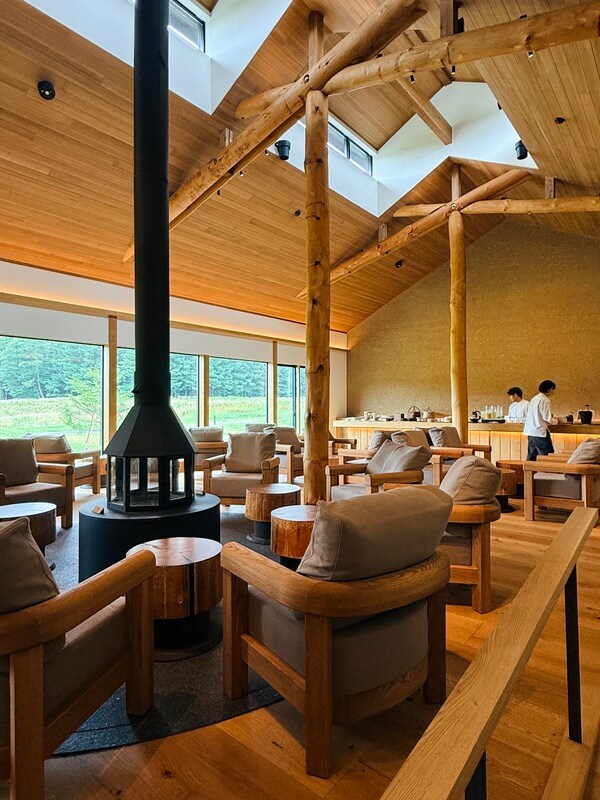
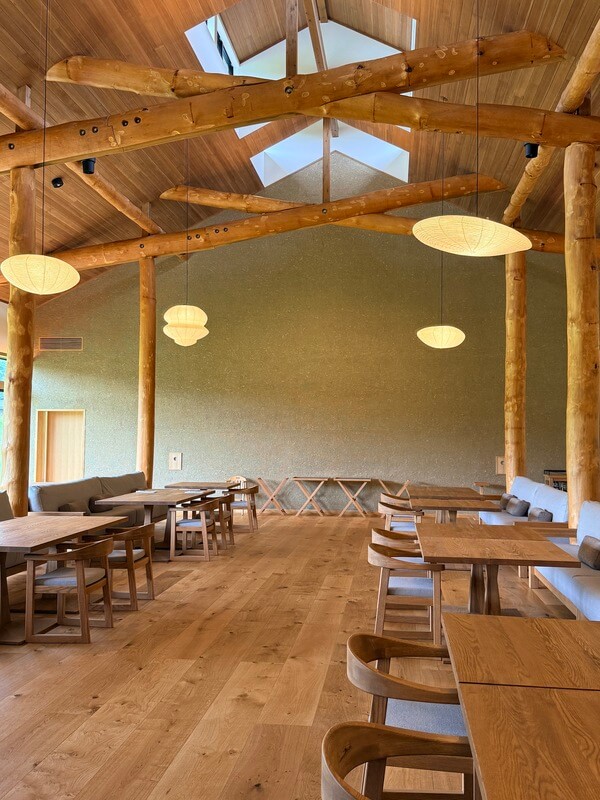
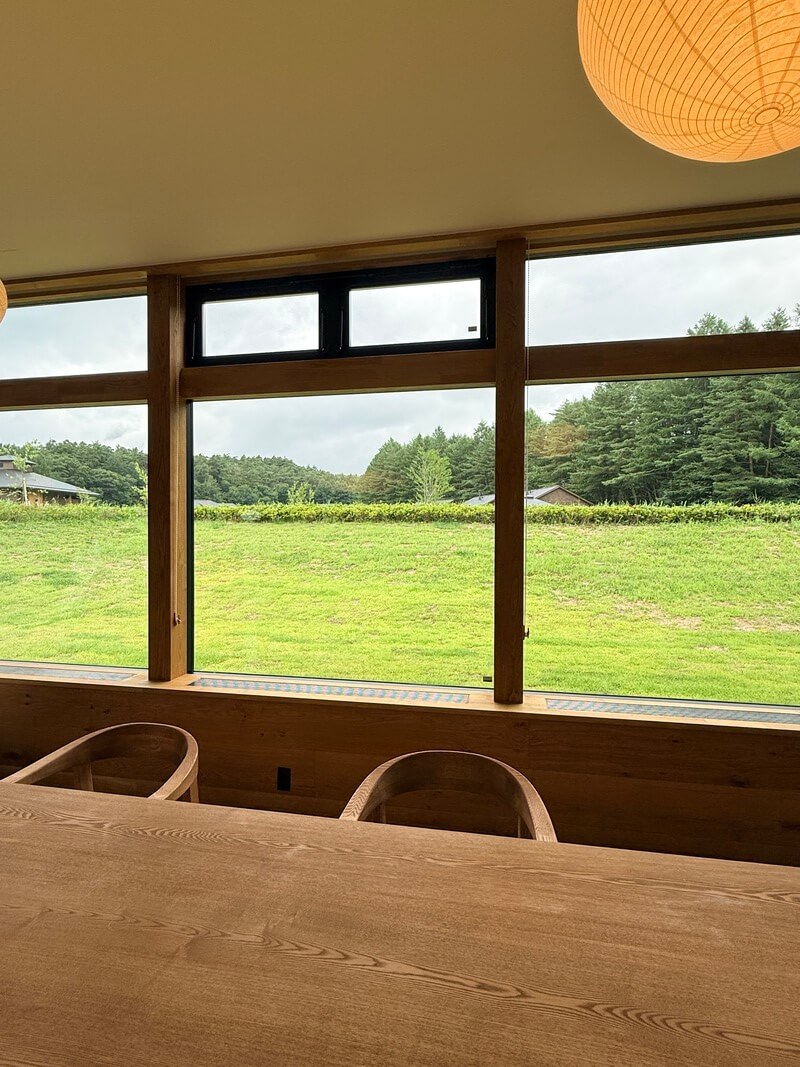
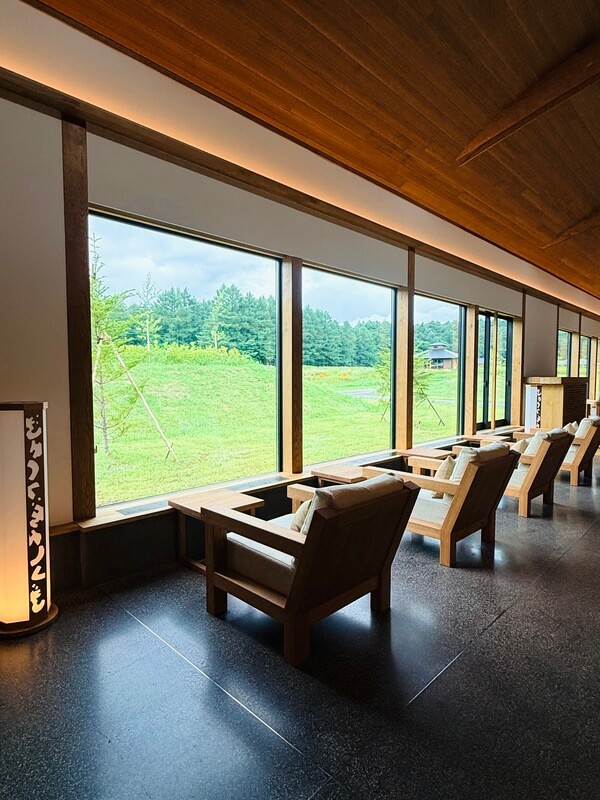
「Azuma Farm Koiwai」の建築と空間デザインを担当したのは、京都を拠点に日本建築を手がけてきた六角屋の三浦史朗氏。ロビーとラウンジを擁するラウンジ棟は、木材の量感をたっぷりと感じさせながら、従来的なログハウスのような重さや暗さとは無縁である。高い天井が空間に伸びやかな開放感をもたらし、一面に開かれた窓は、牧草地の光景を一幅の絵のように室内へ取り込んでいる。
小岩井の森から切り出された木々は、単なる装飾材ではなく、この場所が重ねてきた時間を、建築の内側へ静かに引き継ぐための素材として用いられている。
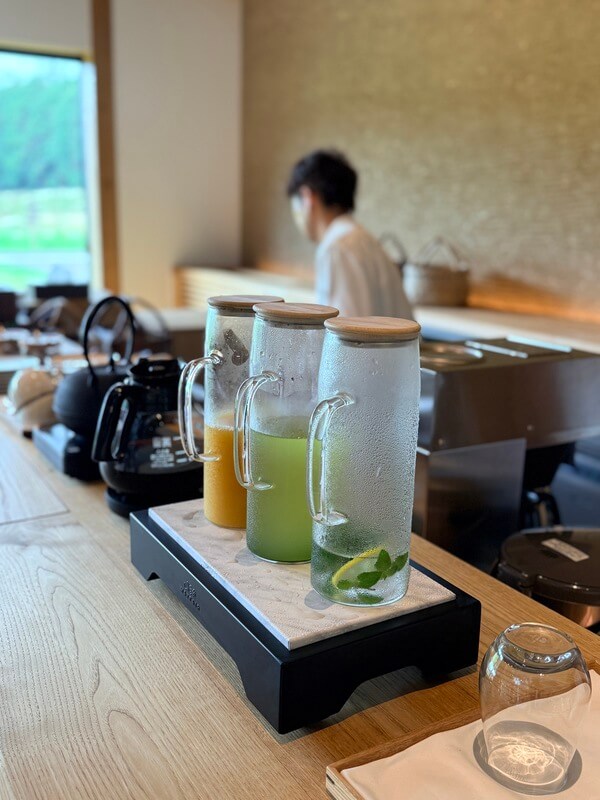
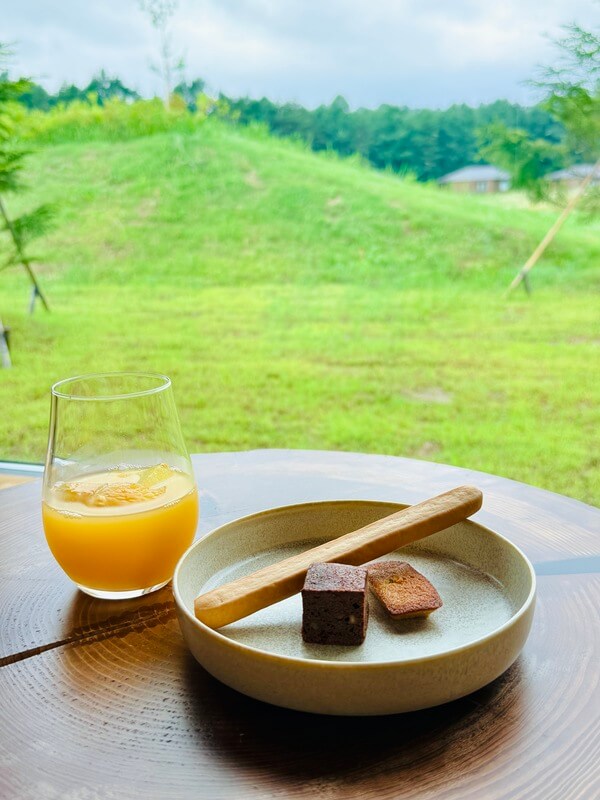
ラウンジでは、コンプリメンタリーのアルコールやソフトドリンク、小菓子が用意される。時間帯によって内容が少しずつ変わるため、滞在中に何度も足を運びたくなる。ホテルのラウンジでありながら、どこか居間のような親密さがあり、旅行者を自然体のまま迎え入れてくれる。
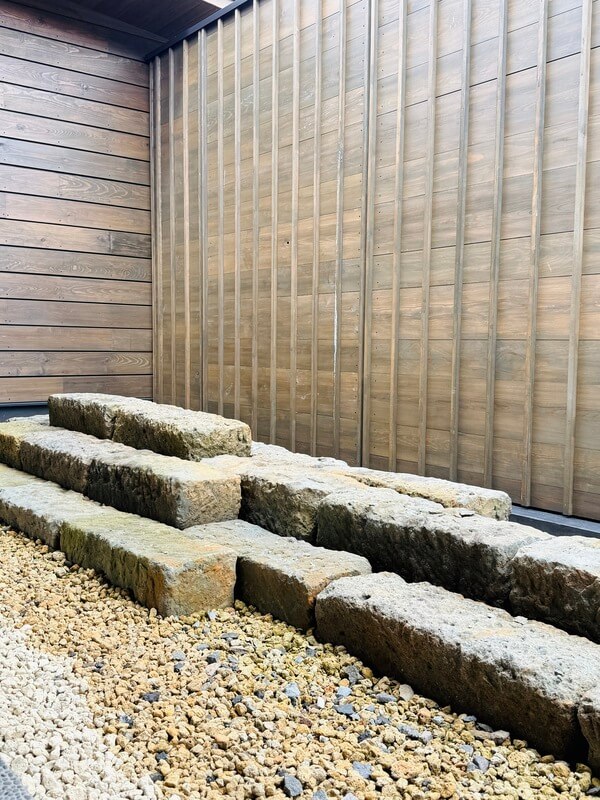
レセプション&ラウンジ棟と、メインダイニングを備えたダイニング棟は、外廊下でつながっている。その途中に、ひっそりと配されているのが、高輪ゲートウェイ駅建設時に掘り出された高輪築堤の石だ。JR東日本がこのプロジェクトに深く関わっていることを静かに物語るレガシーである。
鉄道の父と呼ばれた井上勝らにより、1891年に創設された小岩井農場。ほぼ同時代の1872年に、日本初の鉄道開業に際して線路敷設のために築かれた高輪築堤の石が、2026年のいま小岩井農場へと運ばれたことには、ささやかながら深い趣がある。
ダイニング棟の一面は小岩井農場の牧草を練り込んだ左官仕上げとなっており、家庭のダイニングにも似たあたたかさが空間に漂う。岩手山を望む個室もあり、ファミリーでの滞在はもちろん、記念日や祝いの席にもふさわしい。
ここメインダイニングで供されるのは、小岩井農場周辺で採れる山の幸に加え、三陸沖で揚がる海の幸を用いた、「Farm Life」を感じさせる料理の数々である。
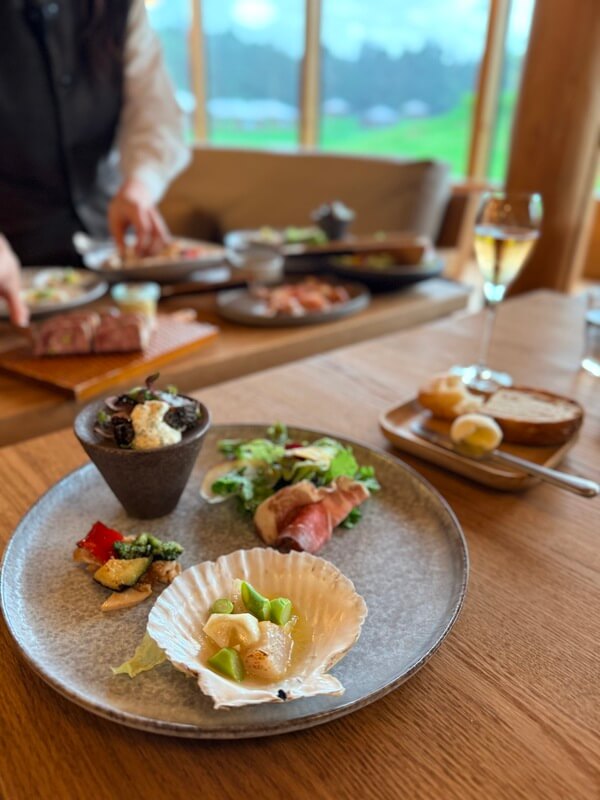
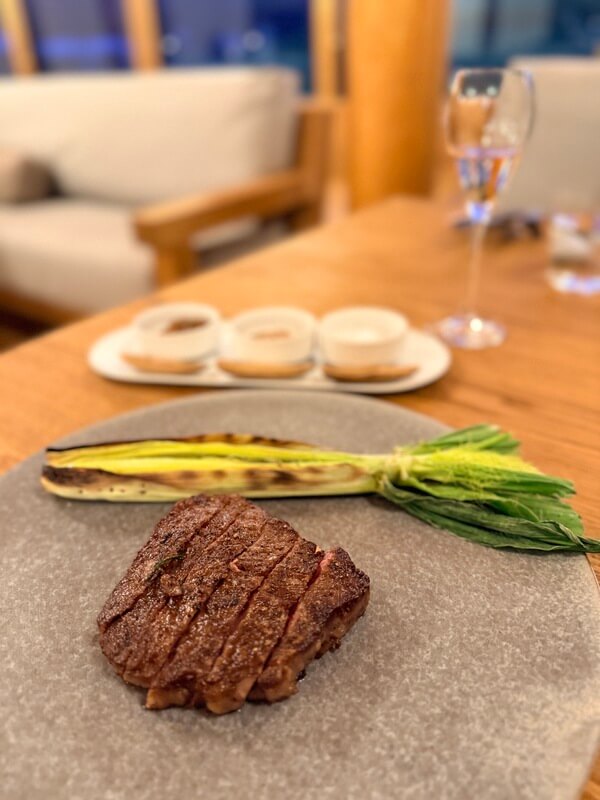
ディナーはコース形式でありながら、チョイスする楽しさを盛り込んだ構成が印象的だ。メイン料理を選べるだけでなく、前菜とデザートはワゴン形式で提供される。色とりどりの新鮮な食材と料理をのせたワゴンが運ばれてくると、テーブルから自然と歓声が上がる。悩みに悩み抜いて選んだ中でも、ハルミチーズと三陸のタコの温前菜、雫石牛のステーキは白眉。素材の取り合わせの妙、確かな技術を感じさせる味付け、過不足のない火入れ。土地の恵みを用いた料理の完成度はきわめて高い。
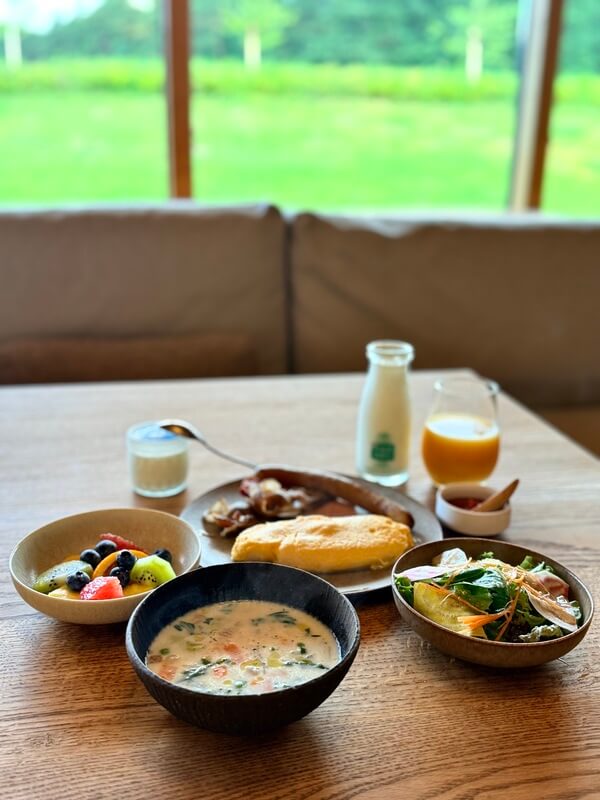
なお、朝食もまた、好きなものを好きなだけ選ぶことができる自由度の高さが嬉しい。メニューには小岩井農場ならではの新鮮な乳製品、野菜や果物、卵料理、シャルキュトリが並ぶ。和定食の用意もある。旅行者ごとの食べたい量や好みの違いにも柔軟に応えられるシステムとなっており、グループや家族での滞在において、この懐の深さは大きな魅力である。
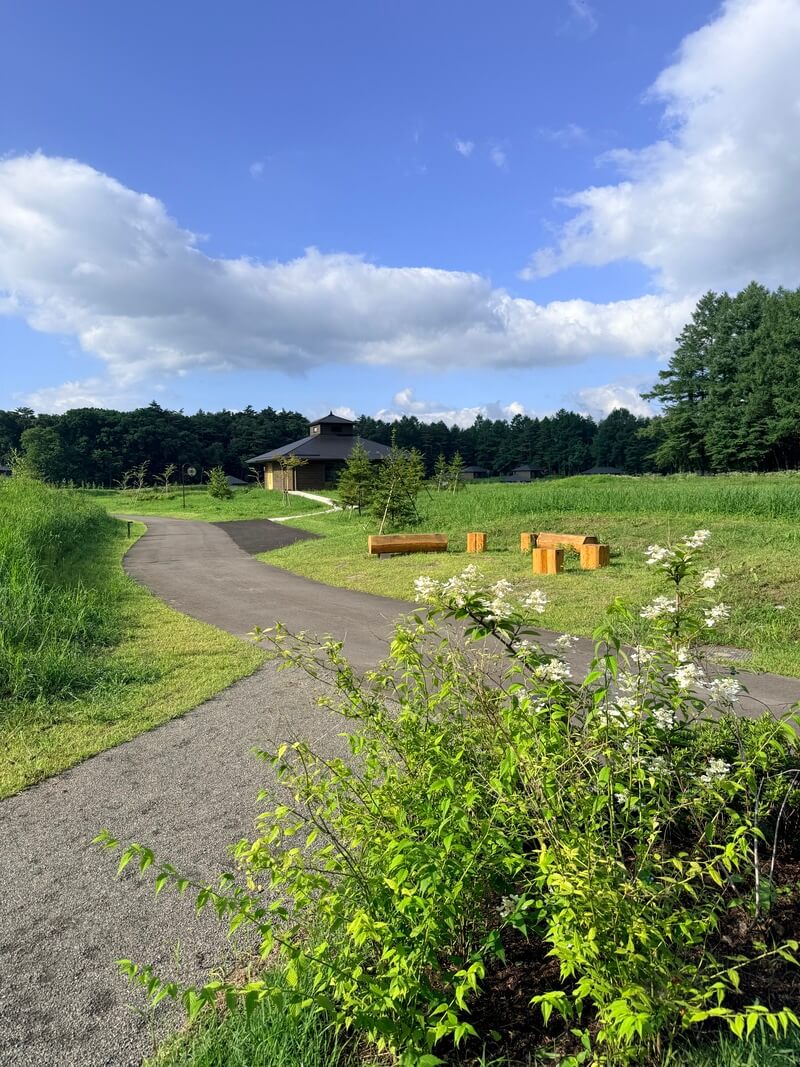
ダイニング棟を出て客室へ向かう。林をほどよく切り拓いた牧草地の中に、ヴィラが互いの静けさを損なわない距離を保って点在している。移動に難を感じるほど途方もなく広いわけではなく、庭園のように人工的に閉じられてもいない。絶妙なスケールが、このプロパティを一つの小さな理想世界にしている。
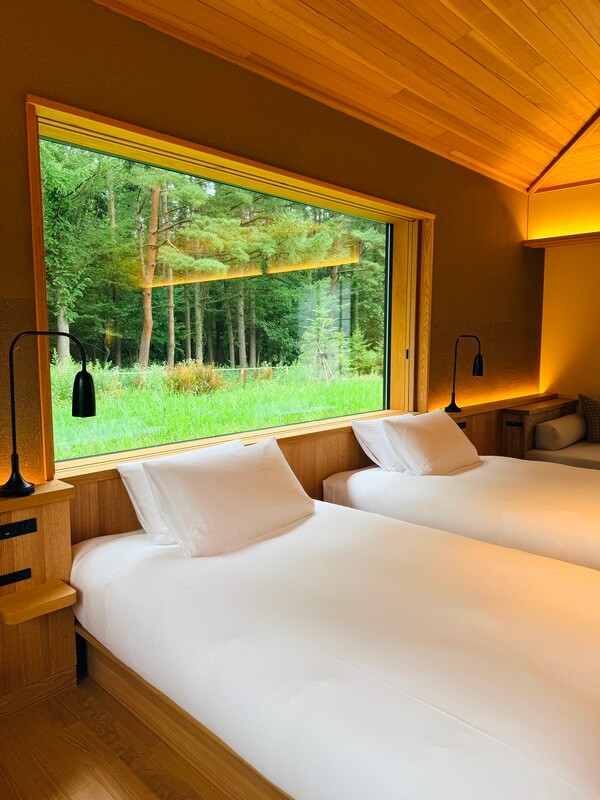
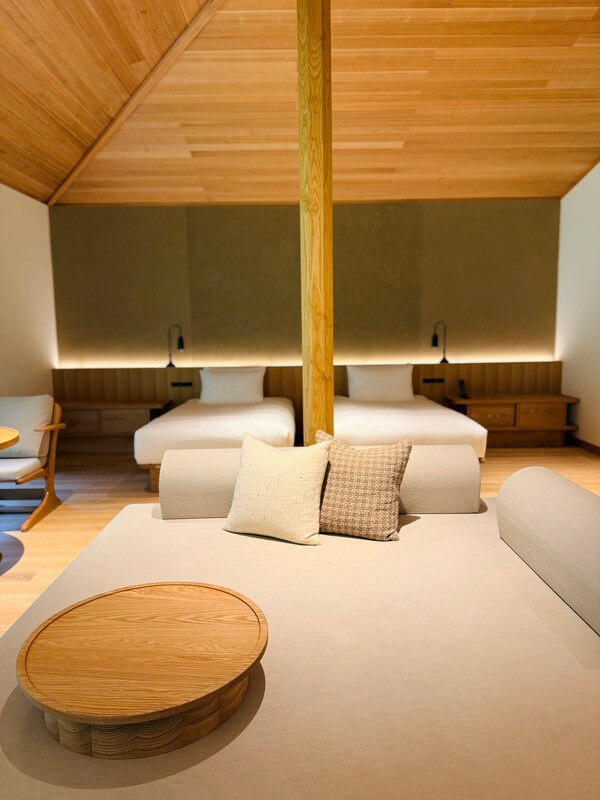
客室は、22棟のフォレストヴィラと、レセプションエリアから最も離れた場所に位置する2棟のガーデンヴィラの2タイプ。スタンダードにあたるフォレストヴィラであっても65平米の広さがあり、室内にはゆったりとした余白がある。
客室中央には、岩手県で育った栗の木で作られた柱が存在感を放つ。空間の核となるその柱は、意匠であると同時に、このヴィラが大地とつながっていることを示す静かな象徴でもある。
エイドリアン・ゼッカらしい美意識によるものだろうか、テレビやミニバー、電気ケトルなどは什器の中に巧みに収められ、生活感を見せすぎない。シンプルなインテリアの中に、抑制された高級感が漂っている。
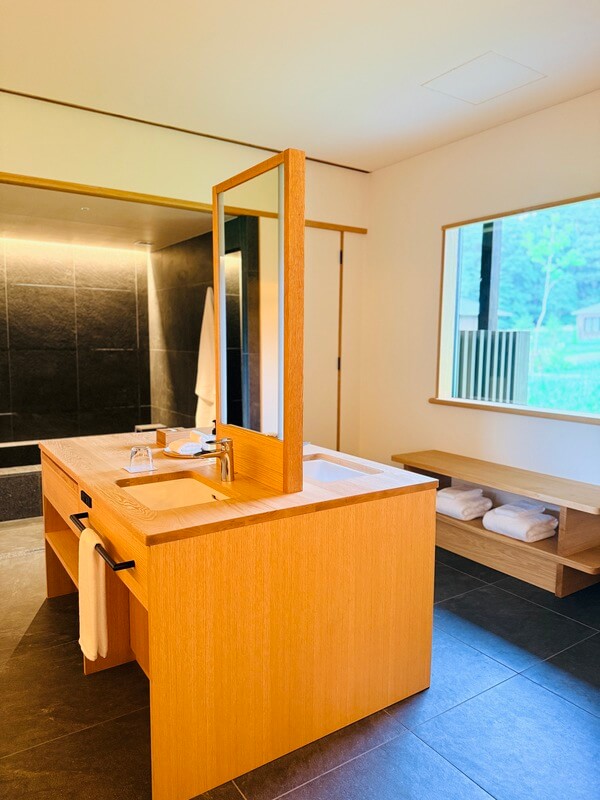
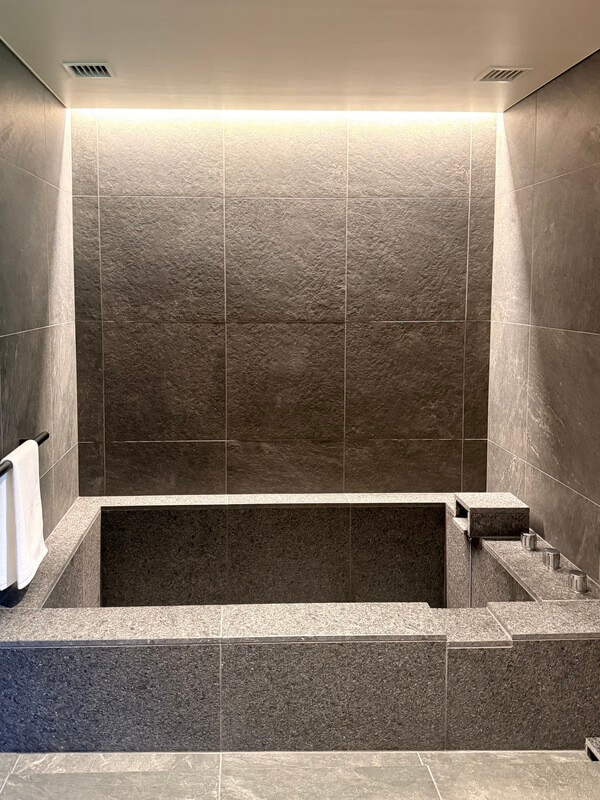
ウェットエリアには、向かい合わせに配されたツインボウル、シャワーブース、そして石造りの大きなバスタブが備えられている。スキンケアアメニティは、サステナブルコスメアワードを受賞した「ソフィスタンス」のもの。日本の知恵から生まれた発酵スキンケア製品の採用は、豊かな自然と人の営みの調和を提案するAZUMA FARMの思想ともよく合致している。
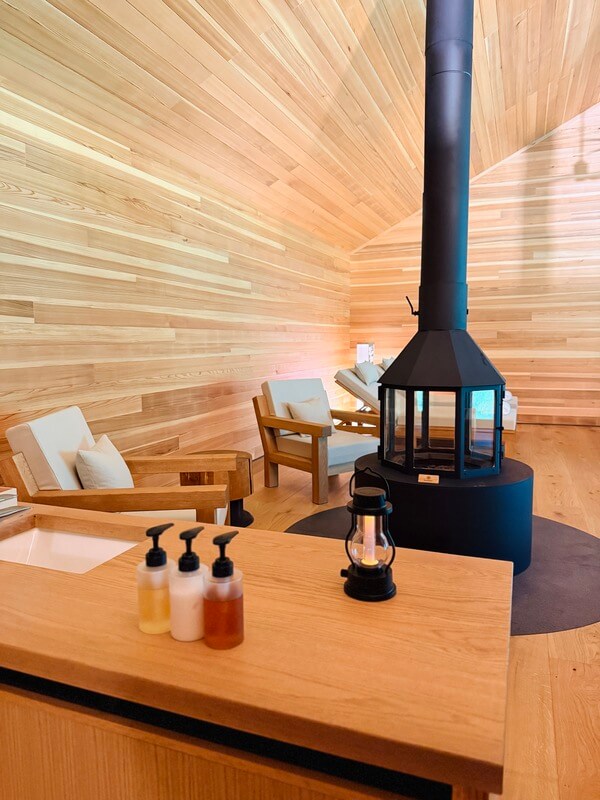
敷地内には、レセプションエリアの建物と客室ヴィラ、日本料理ダイニング「Okibi」のほか、プライベートサウナ棟「Forest Springs」3棟が存在する。広々としたサウナ棟の室内には、薪サウナ、水風呂、暖炉を囲むリラクシングチェア、さらに自然を眺めながらくつろげるデイベッドまで備えられている。火と水、木の香り、外気、そして静寂。サウナ好きにとっては、まさに垂涎の施設である(2時間55,000円)。
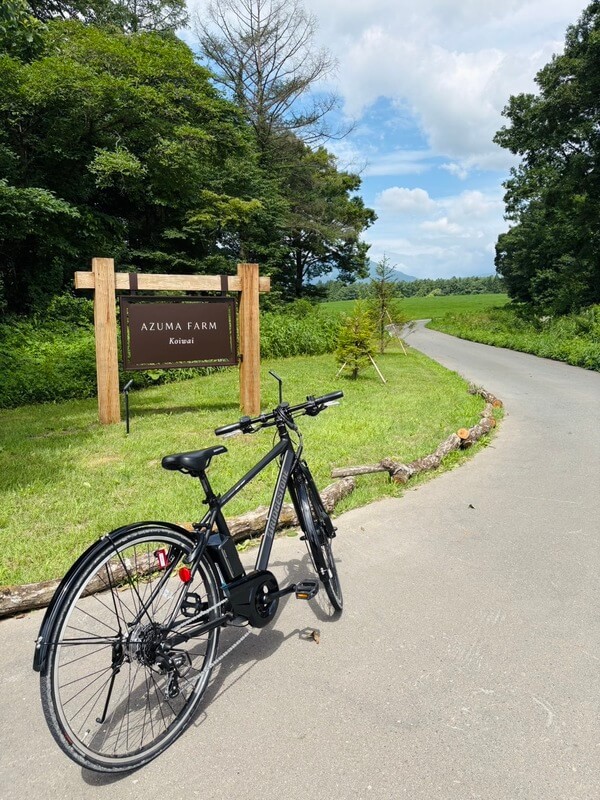
Azuma Farm Koiwaiで楽しめるアクティビティは、もちろんサウナだけにとどまらない。一番人気は、「ハーベスト付き絶景サイクリング」(10,000円)。岩手山周辺の絶景スポットを駆け抜けるだけでなく、野菜の収穫体験や農家の方々との交流も楽しめる。実際にレンタル用のE-Bikeを体験させていただいたが、操作は非常にスムーズで、電動アシストによって軽やかにペダルを漕ぐことができる。体力に自信のある人だけでなく、幅広い世代が挑戦しやすいアクティビティだろう。また、相の沢牧野で雄大な自然を背景に乗馬を楽しむ「ホースバックライディング」(40,000円)も、実際に体験したゲストから高い評価を得ているという。
そのほか、南部鉄器クラフトツアーや近郊名勝地へのリージョナルツアーなど、プログラムは多彩である。一週間滞在しても体験しきれないほどの選択肢があり、岩手という土地の奥行きを知る入口としても申し分ない。
Azuma Farm Koiwaiから三陸の海岸までは車で約1時間40分、雫石スキー場までは車で約20分、さらに東北最大の安比高原スキー場までも約45分。農場の中のリトリート施設でありながら、海にも山にもアクセスしやすく、東北観光の拠点としても優れた立地にある。
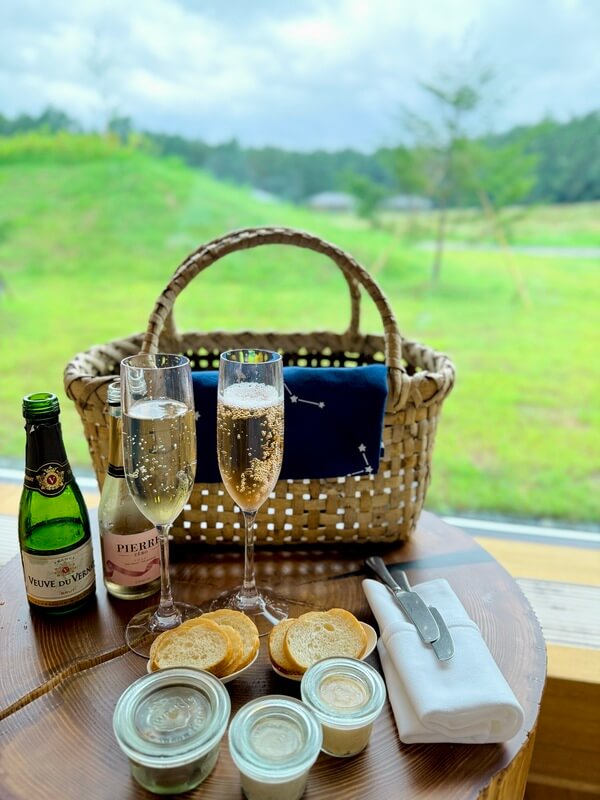
短期間の滞在であっても、ぜひ体験したいのが、毎日16時から行われる「黄昏アペリティフ」(無料)である。ドリンクとグラス、オリーブやリエットなどのアペリティフを詰めたバスケットが、ラウンジで提供される。ゲストはそのままラウンジで味わってもよいし、外のベンチに腰かけ、空と森を眺めながら黄昏どきのピクニックを楽しんでもよい。夕食までの何気ない時間が、旅の記憶に残る豊かなひとときへと変わる。
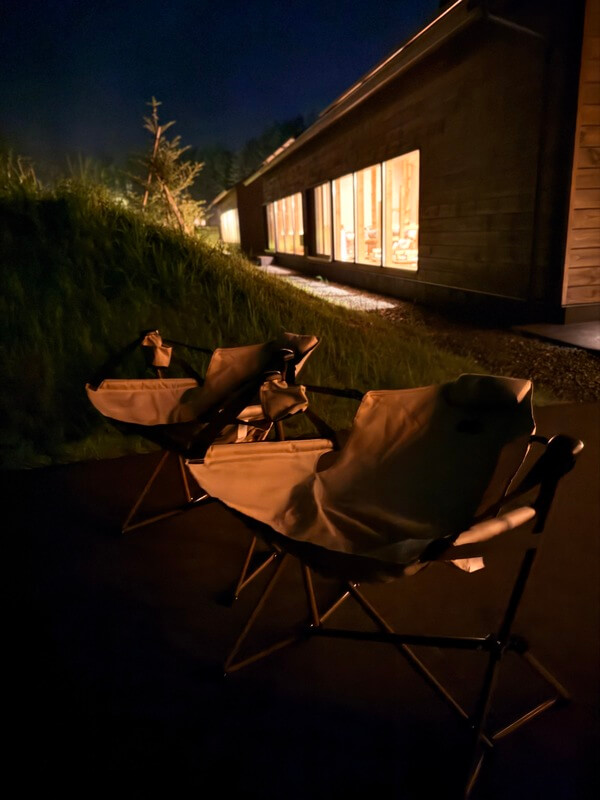
夕食後には、「星空鑑賞」(無料)に参加したい。晴れていれば満天の星を望むことができるそうだが、私たちの滞在時はあいにく空一面が雲に覆われていた。それでもスタッフの方は星空鑑賞を催行してくださり、双眼鏡を片手に夜の散歩が始まった。同行したグループの方々と協力しながら、見えない空の中から懸命に星を探す。ようやく小さな光を見つけたときには、思わず大きな歓声が上がった。
天文に詳しいスタッフの方がレーザーポインターで夜空を案内し、星空鑑賞用のチェアまで用意される。単に外へ出て空を見上げるのとは異なる、きちんと設計された体験である。特に家族連れには、強く勧めたいアクティビティだ。
滞在の終わりに、あらためてラウンジ棟のロビーへと戻る。ふと横に目をやると、冒頭に引用した宮沢賢治の『小岩井農場』に出てくる「ぎゆつくぎゆつく」という鳥の声を、平仮名の意匠として刻んだフロアランプが、ひっそりとゲストを見守っている。
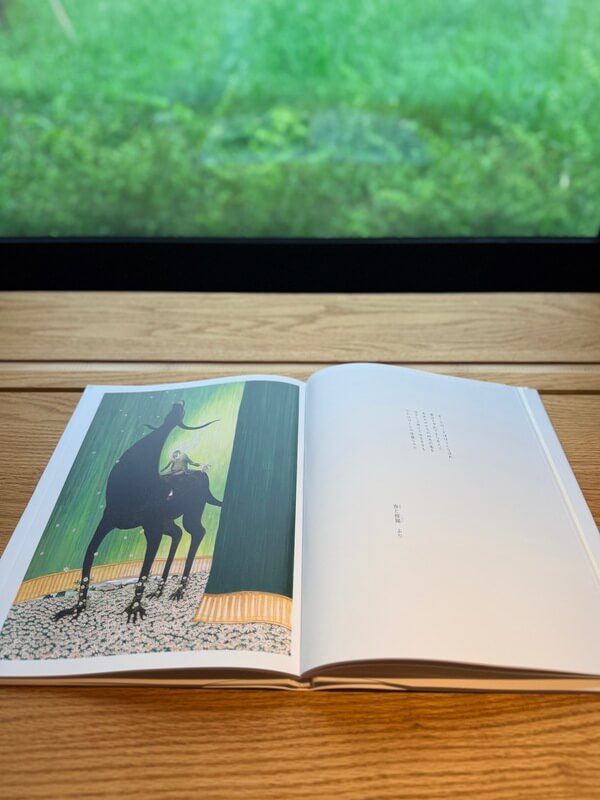
賢治は、詩人、童話作家であると同時に、農業に携わった実践者でもあった。農民たちに農業技術を教えながら、自らも畑を耕し、自炊生活を送った。彼にとって自然は、美しい風景として鑑賞するだけの対象ではなく、人の暮らしを支え、ときに厳しく揺さぶりながら、あらゆる生命を結びつける存在だった。
土地で育ったものを食べ、森の匂いを吸い込み、火のそばで身体を温める。土地に赴きただ消費するのではなく、その土地の時間に自分の呼吸を合わせていく。今日のラグジュアリー旅行において重視される地産地消やサステナビリティ、ウェルビーイング、自然の中で心身を整えるリトリートという価値は、不思議なくらい、岩手の大地に生きた宮沢賢治の感覚と、どこかで響き合っている。
賢治は、岩手をもとに描いた理想郷を指す言葉として、「イーハトーヴォ」という独自の用語を造った。それは現実から隔絶された空想上の楽園というよりも、農村の営みの中に彼が見いだそうとした、地に足のついた豊かな生活を指すものであったのではないだろうか。
Azuma Farm Koiwaiの瑞々しい牧草地を歩き、ダイニングで大地の恵みを味わい、夜空に星を探す。そうした時間を重ねていると、宮沢賢治が思い描いた「イーハトーヴォ」とは、このような場所だったのではないかと思えてくる。最後に、再び賢治の長編詩『小岩井農場』から一節を引いて、この滞在記を結びたい。
さうです、農場のこのへんは
まつたく不思議におもはれます
どうしてかわたくしはここらを
der heilige Punktと
呼びたいやうな気がします
※der heilige Punkt――ドイツ語で、「神聖な場所」
Azuma Farm Koiwaiへのアクセス
東京から:東京駅から新幹線で2時間20分の盛岡駅から車で25分
大阪から:大阪(伊丹空港)から飛行機で1時間20分のいわて花巻空港から車で1時間
Gyukku, gyukku, gyukku, gyukku.
This curious sound is an onomatopoeic rendering of a birdcall that Kenji Miyazawa — a native of Iwate Prefecture and one of Japan’s best-known poets and authors of children’s literature — captured in his long poem “Koiwai Farm.” It feels vividly real, yet somehow touched by fantasy.
For those of us accustomed to urban life, the layered voices of birds and insects have perhaps become difficult to distinguish. Yet as we made our way through Koiwai Farm, listening to these sounds rising in subtle profusion from the fields and trees, the entrance to the Reception & Lounge Building gradually came into view, its façade marked by beautifully arranged logs of Japanese red pine.
In April 2026, Azuma Farm Koiwai opened in the heart of this very farm, a place once beloved by Miyazawa.
AZUMA FARM is a new brand created by the world-renowned hotelier Adrian Zecha, in partnership with JR East. It further develops the philosophy of Azumi, the ryokan brand Zecha has cultivated in Japan over many years. Here in Koiwai, under the concept of “A Down to Earth Farm Stay,” 24 villas, a restaurant, a lounge, private saunas and other facilities are scattered across approximately eight hectares of land.
The architecture and spatial design of Azuma Farm Koiwai were led by Shiro Miura of Rokkakuya, a Kyoto-based practice known for its work in Japanese architecture. The lounge building, which houses the lobby and lounge, has a generous presence of timber, yet none of the heaviness or darkness often associated with a conventional log house. High ceilings lend the space a graceful openness, while expansive windows draw the view of the pasture inside like a framed landscape.
The trees cut from the forests of Koiwai are not used as mere decorative material. Rather, they quietly carry the accumulated time of this place into the architecture itself.
In the lounge, complimentary alcoholic beverages, soft drinks and small confections are offered throughout the day. The selection changes subtly depending on the hour, giving us a reason to return more than once during our stay. Although it is a hotel lounge, it has an intimacy that feels almost like a living room. Guests are not received with excessive ceremony, but welcomed with an ease that feels natural and unforced.
The Reception & Lounge Building and the Dining Building, which houses the main dining room, are connected by an outdoor corridor. Along the way, we came across stones from the Takanawa Embankment, unearthed during the construction of Takanawa Gateway Station. Quietly placed within the exterior landscape, they stand as a legacy that speaks to JR East’s deep involvement in this project.
Koiwai Farm was founded in 1891 by figures including Masaru Inoue, known as the father of Japan’s railways. The Takanawa Embankment, meanwhile, was built in 1872 for the laying of tracks at the time of Japan’s first railway opening. There is a modest but deeply resonant poetry in the fact that stones from that almost contemporaneous railway structure have now found their way to Koiwai Farm in 2026.
One wall of the dining building is finished with plaster mixed with grasses from Koiwai Farm, giving the space a warmth reminiscent of a private dining room at home. There is also a private room with views of Mount Iwate, making it well suited not only to family stays, but also to anniversaries and celebratory occasions.
The cuisine served in the main dining room evokes the spirit of “Farm Life,” drawing on mountain produce from around Koiwai Farm as well as seafood landed off the Sanriku coast.
Dinner is served as a course menu, yet its structure leaves room for the pleasure of choice. Guests can select their main dish from a list on the menu, while appetizers and desserts are also chosen from beautifully presented wagons. When the cart arrives at the table, laden with vibrant fresh ingredients and beautifully prepared dishes, a murmur of delight naturally follows.
Among the many choices over which we deliberated at length, the warm appetizer of halloumi cheese and Sanriku octopus, as well as the Shizukuishi beef steak, were especially memorable. Across the meal as a whole, the combinations of ingredients were thoughtful, the seasoning showed assured technique, and the cooking was precisely judged. The level of refinement achieved with the bounty of the land was remarkably high.
Breakfast, too, is pleasingly flexible. Guests may choose as much as they like from a menu that includes fresh dairy products unique to Koiwai Farm, vegetables, fruit, egg dishes and charcuterie. A Japanese breakfast set is also available. The system accommodates differences in appetite and preference with ease, a quality that becomes a significant advantage for groups and families traveling together.
Leaving the dining building, we made our way toward the guest villas. They are scattered across pastureland gently opened within the forest, each placed at a distance that preserves the quiet of the others. The property is not so vast as to make movement cumbersome, nor is it enclosed with the artifice of a formal garden. Its scale is exquisitely judged, transforming the property into a small world unto itself.
There are two types of accommodation: 22 Forest Villas and two Garden Villas, the latter located farthest from the reception area and offering a heightened sense of privacy. Even the standard Forest Villa measures 65 square meters, with a spaciousness that feels genuinely generous.
At the center of the room stands a pillar made from chestnut wood grown in Iwate Prefecture. It serves as the architectural core of the space, and also as a quiet symbol of the villa’s connection to the earth. Perhaps reflecting Adrian Zecha’s particular aesthetic, the television, minibar, electric kettle and other amenities are cleverly concealed within the furnishings, avoiding any overt sense of domestic clutter. A restrained luxury pervades the simple interior.
The bathroom area features twin basins set opposite each other, a shower booth, and a large stone bathtub. Skincare amenities are by Sophistance, a brand that has received a Sustainable Cosmetics Award. Its fermented skincare products, born from Japanese wisdom, are well aligned with AZUMA FARM’s philosophy of harmony between rich nature and human craft.
In addition to the reception area, guest villas and the Japanese dining venue Okibi, the property is home to three private sauna buildings known as Forest Springs. Each spacious sauna suite is equipped with a wood-fired sauna, cold bath, relaxing chairs around a fireplace, and daybeds from which guests can gaze out at nature. Fire and water, the scent of wood, fresh air and silence. For sauna devotees, this is unquestionably a covetable facility. The fee is 55,000 yen for two hours.
The activities at Azuma Farm Koiwai are, of course, not limited to the sauna.
The most popular is the “Scenic Cycling with Harvest Experience” at 10,000 yen. Guests not only ride through picturesque spots around Mount Iwate, but also enjoy harvesting vegetables and interacting with local farmers. I had the opportunity to try one of the rental e-bikes, and found it extremely smooth and easy to handle. With the help of electric assistance, pedaling felt light and effortless, making the experience accessible to a wide range of guests, not only those confident in their fitness.
“Horseback Riding”, priced at 40,000 yen, offers the chance to ride against the majestic natural backdrop of Ainosawa Pasture, and is also said to be highly praised by guests who have experienced it.
There are many other programs as well, including Nanbu ironware craft tours and regional excursions to nearby scenic sites. The range is so extensive that even a weeklong stay would not be enough to experience everything. As an introduction to the depth and diversity of Iwate, it is more than sufficient.
Azuma Farm Koiwai is also surprisingly well located as a base for exploring Tohoku. The Sanriku coast is about one hour and 40 minutes away by car, Shizukuishi Ski Resort is approximately 20 minutes away, and Appi Kogen Ski Resort, the largest ski resort in Tohoku, is about 45 minutes away. Although the property functions as a retreat within the farm, it offers easy access to both sea and mountains, making it an excellent base for exploring the wider Tohoku region.
Even during a short stay, one experience not to miss is the Twilight Aperitif, held daily from 4 p.m. This complimentary ritual offers drinks, glasses, and a basket filled with aperitif bites such as olives and rillettes in the lounge. Guests may enjoy them there, or take a seat on an outdoor bench and savor a twilight picnic while gazing at the sky and forest. What might otherwise be an ordinary interval before dinner becomes a quietly memorable part of the journey.
After dinner, we joined the complimentary stargazing experience. On clear nights, we were told, guests can see a sky filled with stars. During our stay, however, the entire sky was covered with clouds. Even so, the staff kindly went ahead with the experience, and our night walk began with binoculars in hand. Together with the other guests in our group, we searched intently for stars hidden behind the clouded sky. When at last we found a small point of light, a spontaneous cheer rose among us.
A staff member knowledgeable about astronomy guided us with a laser pointer, and chairs for stargazing had been prepared as well. This was not simply a matter of stepping outside and looking up at the sky; it was a carefully designed experience. I would especially recommend it for families.
At the end of our stay, returning once more to the lobby of the lounge building, I noticed a floor lamp quietly watching over the guests. Carved into it was the phrase introduced at the beginning of this piece: Gyukku, gyukku, the birdcall from Kenji Miyazawa’s “Koiwai Farm,” rendered in hiragana as a design motif.
Miyazawa was not only a poet and author of children’s stories, but also a practitioner deeply involved in agriculture. He taught farmers agricultural techniques, cultivated fields himself, and lived a self-sufficient life. For him, nature was not merely an object of scenic appreciation. It was a force that supported human life, sometimes shook it with severity, and connected all living things.
To eat what has been grown in the land, to breathe in the scent of the forest, to warm the body beside a fire. To visit a place not merely to consume it, but to attune one’s own breath to the rhythm of its time. The values now so often emphasized in luxury travel — local provenance, sustainability, wellbeing, and retreats that restore body and mind in nature — seem, in a remarkable way, to resonate with the sensibility of Kenji Miyazawa, who lived close to the earth of Iwate.
Miyazawa coined the word “Ihatovo” to describe an ideal realm inspired by Iwate. Rather than a fantasy paradise cut off from reality, perhaps it referred to a grounded vision of abundance that he sought within the life and rhythms of rural communities.
Walking through the fresh green pastures of Azuma Farm Koiwai, tasting the blessings of the earth in the dining room, and searching for stars in the night sky, I began to feel that the Ihatovo Miyazawa imagined may have been a place much like this.
I would like to conclude this account of our stay with a passage from Kenji Miyazawa’s long poem “Koiwai Farm”:
Yes, this part of the farm
seems altogether mysterious.
For some reason, I feel
I would like to call this place
der heilige Punkt.
*der heilige Punkt — German for “a sacred place.”
Access to AZUMA FARM Koiwai
From Tokyo:
Take the Shinkansen from Tokyo Station to Morioka Station, approximately 2 hours and 20 minutes, followed by a 25-minute drive.
From Osaka:
Fly from Osaka International Airport (Itami) to Iwate Hanamaki Airport, approximately 1 hour and 20 minutes, followed by a 1-hour drive.